Choosing the right patio material near Northborough, MA, can mean the difference between a surface that lasts decades and one that needs repairs after just a few harsh winters. The Worcester County area, including Northborough and Shrewsbury, sees roughly 49 freeze-thaw cycles per year. That repeated freezing and thawing is the single biggest threat to any outdoor hardscape. This guide breaks down how concrete pavers, natural stone, and poured concrete each hold up through a Massachusetts winter, and what to consider when planning your patio installation in Central MA.
Why Massachusetts Winters Are So Hard on Patios
Water works its way into the pores and joints of any patio material. When temperatures drop, that water expands. When they rise, it contracts. This cycle repeats dozens of times between November and April in Central MA. The result can be cracking, scaling, surface flaking, and frost heave, where sections of a patio shift upward as the ground freezes beneath them. The material you choose, and the quality of the base it sits on, determines how well your patio survives that stress year after year. Choosing wisely before patio installation begins saves significant time and money down the road.
Concrete Pavers: Flexible, Repairable, and Built for Cold Climates
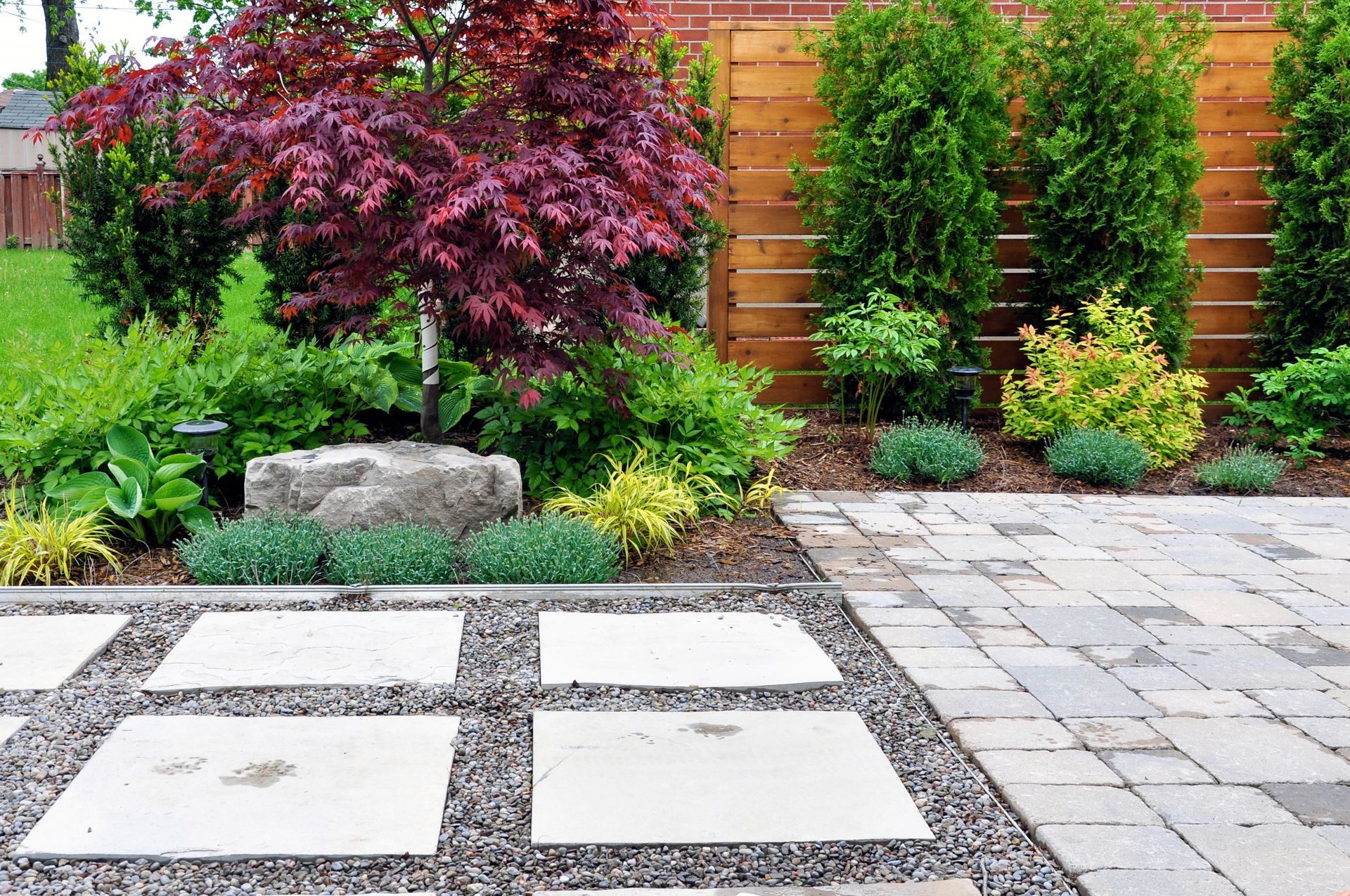
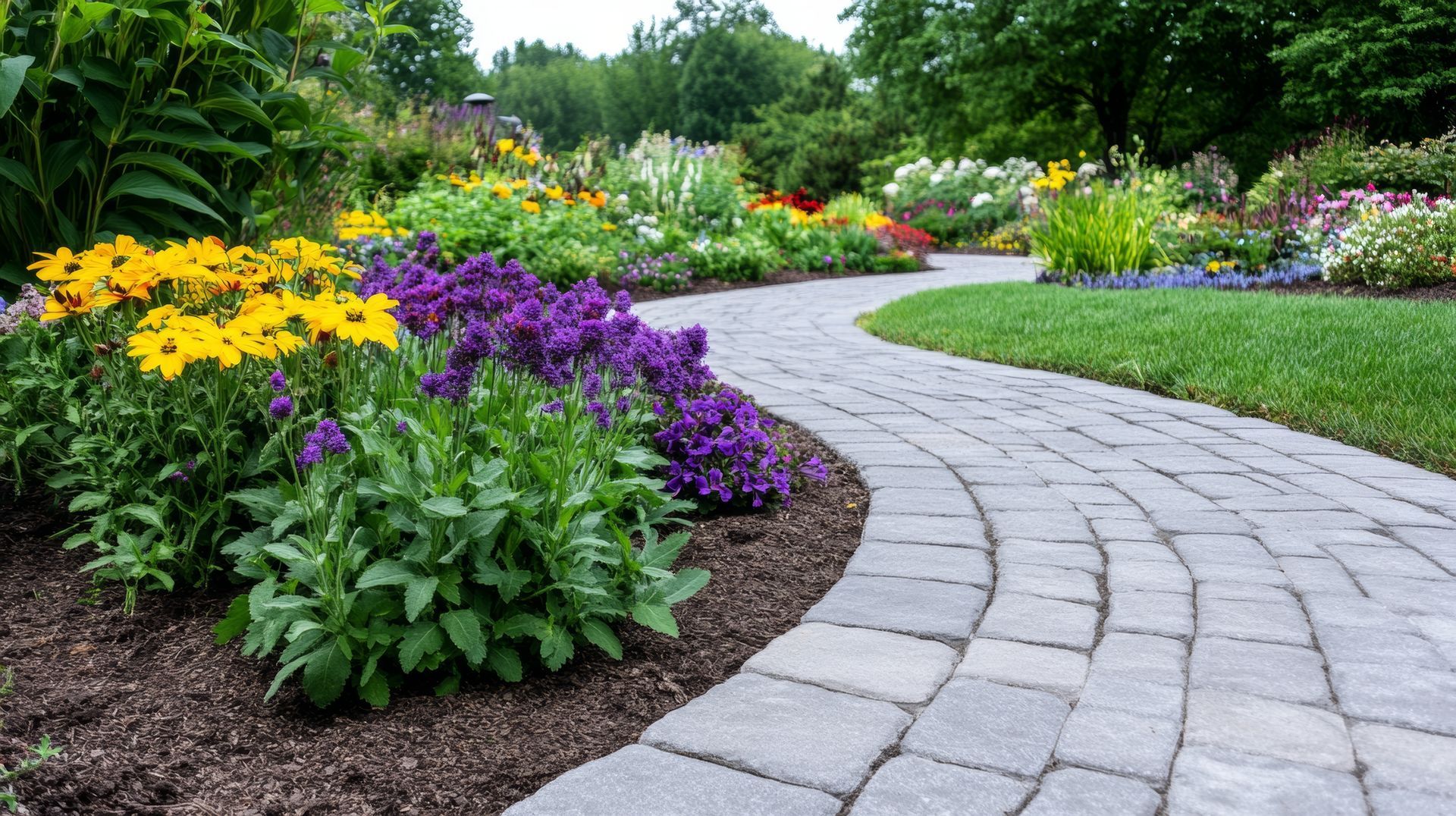
Concrete pavers are one of the most practical choices for patio installation near Northborough, MA. Each paver is a separate, interlocking unit set on a compacted gravel base with sand joints between them. When the ground freezes and shifts, individual pavers can move slightly rather than cracking the way a solid slab would. The joints absorb stress that would otherwise split a single piece of material.
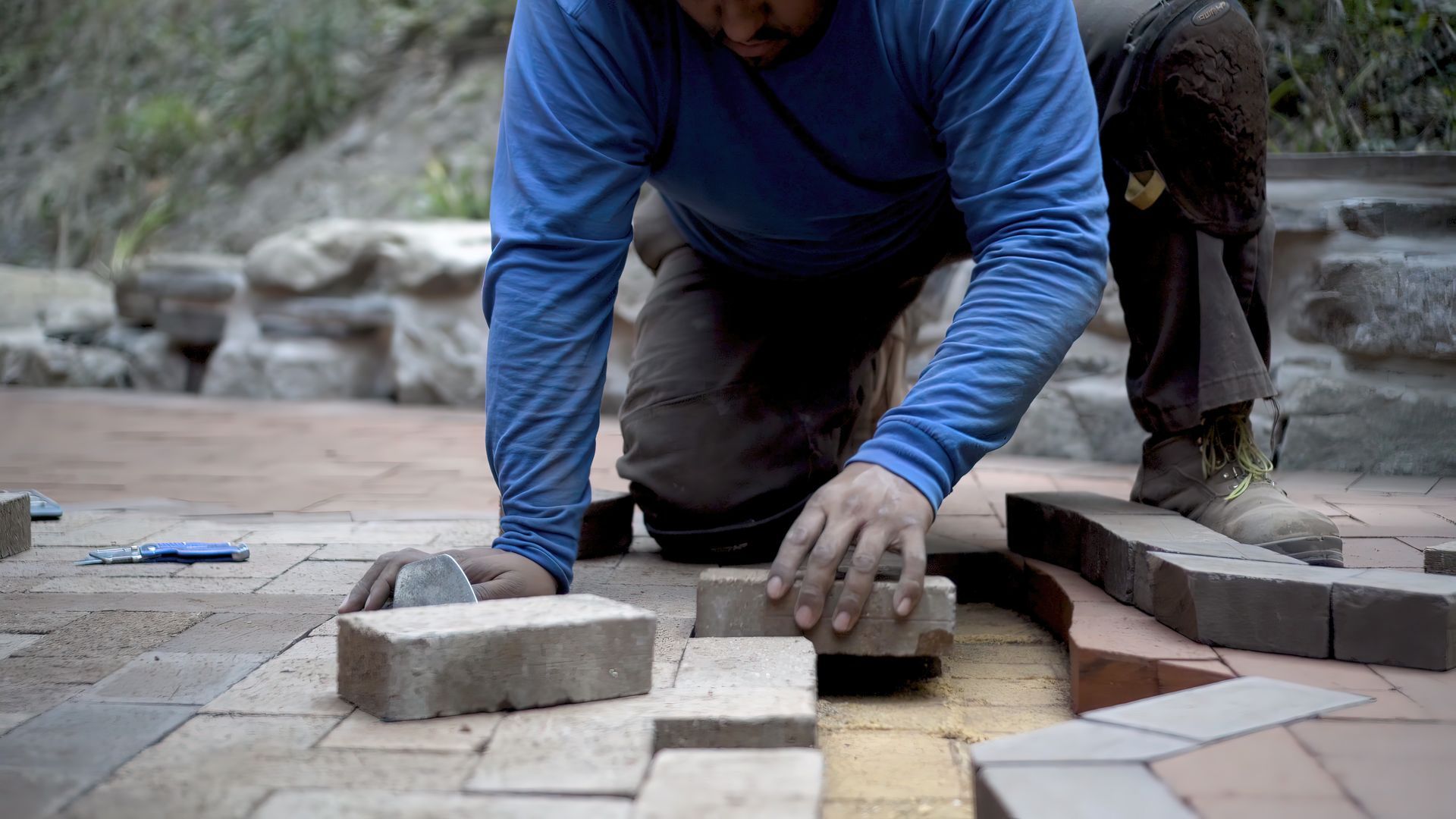
If a paver cracks or shifts after a rough winter, repairs are straightforward. A contractor can pull out the affected pieces, re-level the base, and reset the pavers without disturbing the rest of the surface. Concrete pavers benefit from sealing every few years to reduce water absorption and keep joint sand locked in place.
Natural Stone: The Longest-Lasting Option When You Choose the Right Type
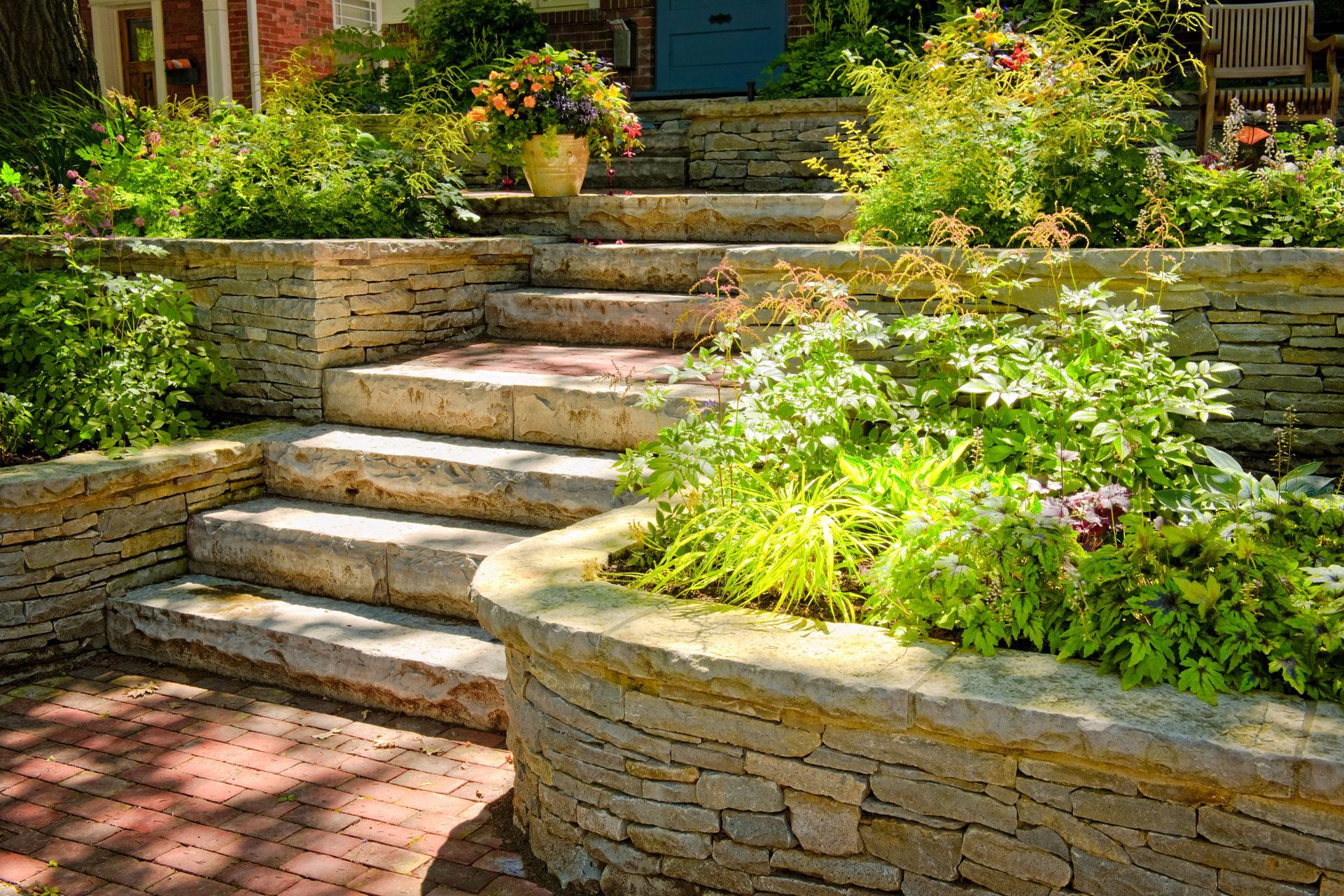
Dense stones like granite and bluestone are naturally low-porosity, absorbing very little water. Less absorption means less expansion during freeze-thaw cycles and a much lower risk of cracking or flaking. Granite in particular has a strong track record in cold New England climates.
Not all natural stone performs the same way. Softer, more porous varieties like sandstone and some limestones can flake and deteriorate in freezing conditions. Homeowners planning a patio installation in the Northborough area should stick to bluestone, granite, or similarly dense options.
Natural stone typically requires less frequent sealing than concrete pavers but carries a higher upfront cost. Slabs can also be heavy and difficult to reset if frost heave occurs beneath them. Proper installation with a deep, well-drained base is critical.
Poured Concrete Slabs: Lower Upfront, Higher Long-Term Risk
Poured concrete is a single, continuous surface with no joints to accommodate ground movement. That rigidity is its biggest weakness in Central Massachusetts. When freeze-thaw stress builds up, the concrete has nowhere to flex, and cracks develop. Surface scaling, where the top layer flakes off, is also common where ice melt chemicals are heavily used.
Concrete slabs can be durable when properly installed with control joints, adequate thickness, and air-entrained mixes. However, repairs tend to be more involved than paver repairs, often requiring removal and repour of a larger area to achieve a uniform appearance. For homeowners evaluating patio installation options, this long-term repair cost is worth factoring into the initial decision.
Quick Comparison: How the Three Materials Stack Up
Concrete pavers offer strong freeze-thaw resilience through their interlocking design, easy individual-unit repairs, and wide style options. They perform best with periodic sealing and a properly compacted base.
Natural stone (granite or bluestone) provides the longest potential lifespan and excellent freeze-thaw resistance when properly installed. It requires a higher upfront investment but tends to hold up with minimal intervention for decades.
Poured concrete has the lowest initial cost but faces the highest risk of cracking and surface scaling over time in a Massachusetts climate. Repairs can be more disruptive and visible than paver repairs.
For patio installation near Northborough, MA, both concrete pavers and dense natural stone tend to outperform poured concrete in long-term winter durability.
Does Frost Heave Affect All Three Materials the Same Way?
Frost heave affects all three, but the consequences differ. With poured concrete, heave can crack the entire slab. With pavers, individual units may shift but can be reset. Natural stone may also shift, though dense stone itself rarely cracks. A properly drained gravel base significantly reduces frost heave risk for all three options.
How Often Does a Concrete Paver Patio Need to Be Resealed in Massachusetts?
Most contractors recommend resealing concrete pavers every two to three years in New England. Regular sealing reduces water absorption, locks in joint sand, and protects the surface from ice melt chemicals used during Massachusetts winters.
Can Any Patio Material Truly Be Maintenance-Free Through a New England Winter?
No patio material is entirely maintenance-free in a Massachusetts climate. Dense natural stone like granite comes closest, requiring minimal ongoing treatment once properly installed. Concrete pavers need periodic sealing. Poured concrete benefits from crack monitoring and may need repairs sooner than the other two options.
Ready to Plan Your Patio? Start With the Right Team
The best patio material depends on your goals, budget, and how you plan to use the space. A well-installed surface on a solid, properly drained base is the foundation that makes any material perform at its best. Getting guidance from an experienced local contractor before patio installation begins ensures the right material is matched to your specific site conditions and climate demands.
Maintenance Free Landscapes serves Northborough, Shrewsbury, and surrounding Central Massachusetts communities with hardscaping experience built for New England conditions. To explore options, visit the
hardscaping and patio services page or browse the
landscape project gallery. When you are ready to get started,
request a free estimate or call
(508) 847-1182 to talk through your project.